
Getting results the fastest and most easily with minimum effort, maximum impact
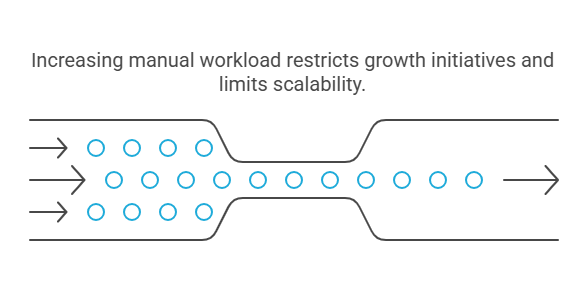
The leaner your company, the smarter you need to work. Leanness is often inversely proportional to size, so small businesses typically find themselves at the skinny end of the scale. So, struggling with inefficiencies is bad news. Working harder is not a sustainable option. Getting more done with less – minimum effort, maximum impact – is a better way forward.
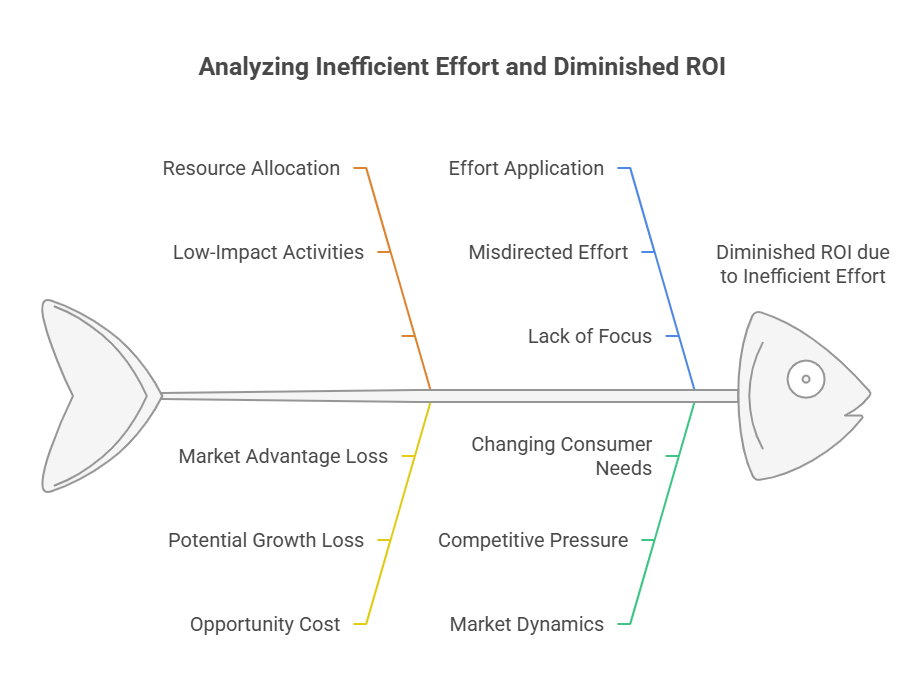
Poor returns and painful opportunity costs?
Resources, whether time, money, or other spent in one area, are of course no longer available in another. Target one opportunity and it will cost you another. That opportunity cost is justifiable if the first one gets you good returns. But if the first one is gobbling up resources with little to show for it, your business loses out twice as much. Strategic thinking and scalability take a backseat, while stagnation sets in.
Fixing it with Pareto, prioritization, and automation
A quick refresher on the Pareto Principle for minimum effort, maximum results. 20% of things account for 80% of results. Thus, 20% of your clients bring you 80% of your revenue. Likewise, 20% of your processes are soaking up 80% of your time and energy. Of course, 20% is an estimate. It could be 25% or 10%, but you get the idea. Once Pareto shows you the truth, the way is clear for prioritization. Pamper those 20% of clients. Rejig or replace those 20% of processes that are bringing you grief. And as the third step, bring in automation to lighten loads wherever applicable. For example,
- Customer service automation with automated emails, moving on to chatbots and more
- Payment processing and invoicing, using software like Xero or QuickBooks
- Marketing automation via automated social media posts, email campaigns, and sales funnel management
- Logistics with Inventory management automation software.
Quick wins
Initiatives for minimum effort, maximum impact can be software-assisted, but they don’t have to be. Here’s an example. Suppose your company sets a goal of acquiring 5 new clients. You might think about a new marketing campaign (with automation). Or you might personally contact your 5 most satisfied customers and ask them for referrals, often considered the most effective way of making new sales. No automation or software needed. Just a little Pareto for minimum effort, maximum results.
FAQs on minimum effort, maximum impact
Is automation expensive? Some of the most effective automation is free, especially when it is bundled into other software like spreadsheets and word processing applications. For other tools whose sole function is automation, prices may vary. Count the hours saved per month and compare with subscription costs, for example to see if an app makes sense for your business.
- What do I automate first? Ideally, you’ll see which activities are eating up the most time while requiring mostly or only repetitive manual work. These are often prime candidates for automation yielding minimum effort, maximum results. You can also find small repetitive tasks that lend themselves to automation, then build bottom-up to more ambitious automation initiatives.
- Is automation lower quality? If you’re automating repetitive manual work, automation may well be higher quality, because “machines don’t make mistakes”. More demanding tasks like creative design, strategic planning, and sales negotiations are less likely to be automated. Human beings continue to assure quality in those cases.
Next steps for minimum effort, maximum impact
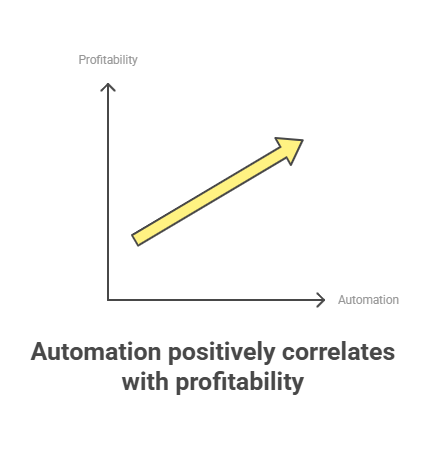
The next step is often simply to take the first step. The Pareto Principle is simple to understand and apply. Prioritization follows on naturally to target minimum effort, maximum results. And automation can start with baby steps that still contribute useful results and improvements. So – just start!