
“Where Is the balance between getting information and moving to action?”: the analysis paralysis solution
Do you overthink business problems? You’re not alone. A difficulty shared by many is knowing when to stop gathering information and start getting something done. Paralysis by analysis affects small and medium-sized businesses around the world. So, what’s the analysis paralysis solution?
A diagnosis of decidophobia?
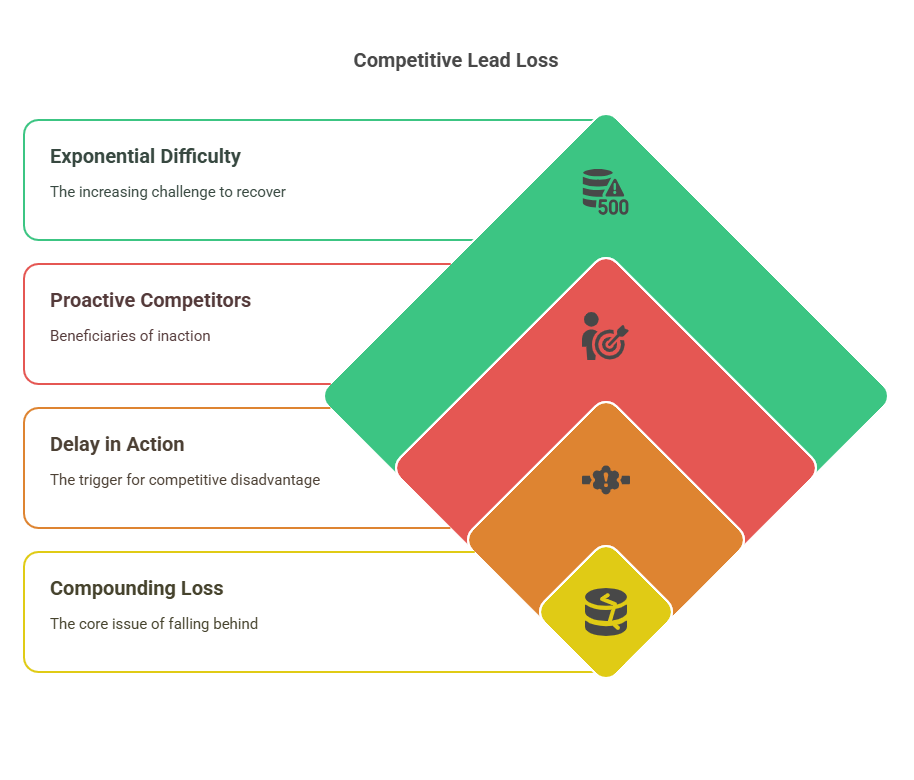
Fear of making the wrong decision has a fancy name. It’s decidophobia. Our thanks go to Walter Kaufman, philosopher, who coined the term in 1973. As an “intense’ irrational fear of making choices,” decidophobia can lead to anxiety and avoidance. You can see it as a form of procrastination, continually putting off something that you know you should do (or decide). The results in business are the same. No action, no progress, and creeping inertia. Not good when competitors are moving in to steal your lunch.
Analysis paralysis solutions
The steps below can help break out of the paralysis.
- First, decide if the current situation is bad for you or your business. If so, move to step 2 below. Note: if the situation is not bad and you decide proactively not to change things, that is also a way of overcoming paralysis. But it has to be a deliberate choice. A lack of a decision is not an analysis paralysis solution.
- Next, see what information you have and how is compares to a “100%” level of information. Set a threshold. Common practice is to check if you already have 70% or more. At this level, you can act – without waiting or trying to achieve 100%.
- Use simple tools like a grid of factors and choices. Give each factor a score out of 3, where 3 is excellent and 0 is bad, possibly unacceptable. Total up the score for each choice to see which one gets the highest score. That’s the one to go for.
A practical way forward
Many business decisions allow for a window of a day or a week before options expire. If you have a decision to make:
- Set a deadline, say, by the end of the week, for getting information and making a choice of action.
- Decide which main sources of information you need for your decision, restricting them to say three sources, not dozens.
- Aim for 70% of information captured as described above.
- Use a grid of factors and choices to see what your decision should be.
- Leave things to “marinate” overnight or over the weekend.
- Check your decision again. Still looking like the best option? Then act on it and feel a lot better for having done so.
FAQs on analysis paralysis solutions
- Doctor, do I have decidophobia? If you’re constantly searching for more information, worrying that you might have overlooked or missed data that could upset your plans, then there’s a good chance you’ve caught decidophobia.
- But if I move too quickly, it could be a disaster, what then? Decisions need to be good enough, not perfect. Good enough comes from having enough of the critical information, not all the information under the sun. Making reasonable decisions faster can be better for you, your team, your customers, and your business.
- Isn’t there somebody I can ask about my decisions? Absolutely. Knowledgeable colleagues who sincerely want to help can be a great way to bounce ideas around and move towards better decisions. AI platforms fall into this category too as useful analysis paralysis solutions. Tell them your situation and ask them what they think reasonable options could be, then make your own mind up about what to do.
- I think my team may have decidophobia, what can I do? Ideally, your team should be making its own decisions or presenting its proposed decisions to you to sign off, with just the right amount of data to back up their proposals. If this isn’t happening, take them through the processes described above, be clear on what you want, and iterate until things change for the better.
Next steps for an analysis paralysis solution
Check out existing sources of information in your company. Applications for sales management and customer relationship management (CRM) may show you immediately the data you need for critical factors affecting your business. Get comfortable with their output and the way their pointers evolve over time, showing you how different decisions may apply at different moments. Practicing your “decision thinking” can also be a powerful analysis paralysis solution.