
“It takes too long”: Time management for small business owners
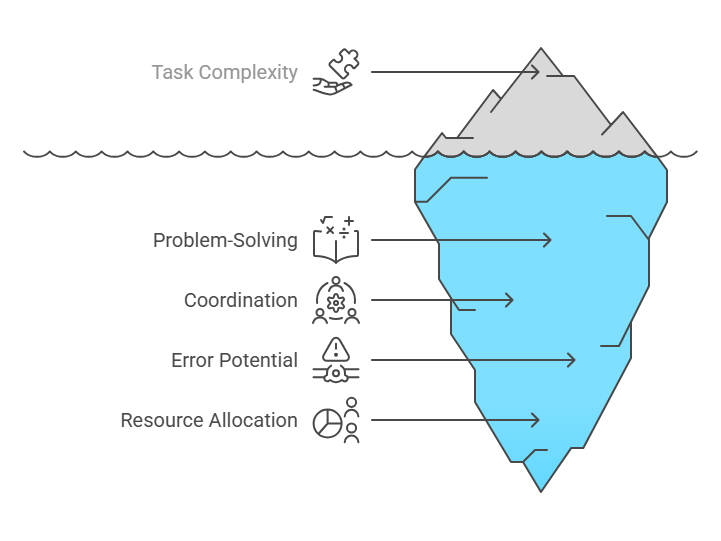
It’s a cliché, but so true – time is the most precious resource of all. Yet company employees spend up to 60% of their time on “stuff” around work without any directly productive output. It’s no wonder that in many businesses there is a feeling that it’s all taking too long. The momentum of larger enterprises may let them absorb this inefficiency, at least for a while. But the flab of unnecessary emails, meetings, reports, and more will end up costing them just the same. For small business efficiency, it’s worse. Labor productivity is often only half of that of bigger enterprises. Time management for small business owners is a challenge. It all takes too long to bring new clients onboard, process orders, and support customers. And while all that time is being eaten away, other critical activities are being neglected.
Decisions delayed; opportunities lost
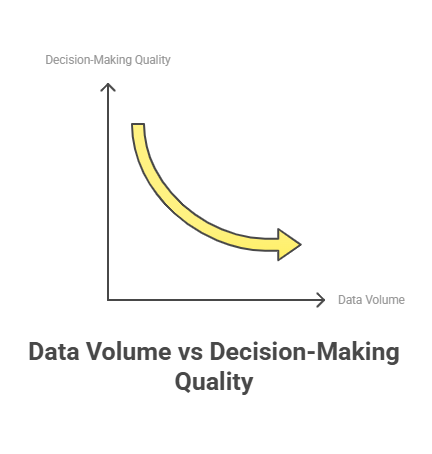
When it takes too long to get things done, decision-making suffers. As processes and procedures drag on, opportunities fade away. There’s no bang, just a few whimpers. Businesses get stuck in the analysis phase, bogged down in a data swamp of disjointed documents. By the time pricing changes have been approved, sales prospects have already signed up with competitors. It’s a vicious spiral downwards. Every hour of unproductiveness deepens the divide between smaller and larger enterprises. It becomes increasingly difficult to retain existing accounts and to attract new business.
You need to optimize and automate
Some activities need to go faster. That’s where automation can help small business efficiency. Some activities should just be stopped. That’s the purpose of optimization. “Don’t automate, obliterate!” was the slogan of business re-engineering of years ago, and it still has merit. Now, Rome was not built in a day (not demolished), so allow for some time to get your entire business streamlined. Key questions to ask are:
- Which tasks and activities are taking the most time and effort today?
- Which ones do we really need? (consider obliterating the others)
- For the ones we really need, which bits can we automate quickly and easily to improve our productivity?
Then keep looping through the questions above periodically for incremental improvement.
Quick wins
While it’s great (and recommended) to have a vision of time management for small business owners, quick wins are also critical. You need to start seeing the benefit now, as well as in the future.
- Try the two-minute rule. If a task is worth doing (see above) and takes less than 2 minutes, then do it immediately, rather than adding to an ever-increasing to-do list. Getting quick stuff done immediately can also give you that psychological boost to hack into your other necessary tasks with energy and impact.
- Use free automation to speed up bits of processes for small business efficiency. If you use software applications like Microsoft Office, there are tons of possibilities for simple, easy to apply automation built-in and at no extra charge.
FAQs on time management for small business owners
- How do I know which tasks need time management attention? Look at your typical business activities over one week. Note how much time you spend on each. Whether you make manual notes (just make sure you can find them at the end of the week), make a simple record in a spreadsheet file (handy for calculating time spent) or use more targeted software is up to you. Ask your team as well, “what’s taking too long at the moment?” Find the time-thief tasks and see what you can usefully obliterate or automate.
- Is automation complex? Some automation is astonishing simple. It depends on the automation. For example, generating weekly sales and revenue reports that are essential for managing your business can often be set up easily as an automated process. The same applies to sending out emails to customers to confirm orders. LINK
- Will quality or our personal touch suffer? Optimization and automation should help you improve both, not worsen them. Automation, like any machine, will consistently give error-free, quality output, when it is set up to do so from the beginning. Time saved on manual, brain-numbing tasks is time available to develop your company’s brand, pamper clients, and develop excellent business relationships.
- Are our processes so special that we can’t automate them? Some tasks can’t be automated. Person to person sales calls are one example. Others take too much time to automate, defeating the purpose of time management for small business owners. Be pragmatic. Pick what is easy and advantageous to automate, including bits of processes if applicable rather than entire end-to-end activities.
Next steps for time management for small business owners
Instead of working harder, work smarter. Pick out your inefficiencies today and stomp on them or automate them. Make the most of the tools that may already be available in your IT solutions today and that you can easily leverage with at little or zero extra charge.