
“Where can I find the energy?”: Energy management vs. time management
Burnout, brownout, nervous breakdown? Small business owners are at risk of overstretching themselves physically and mentally. Energy management vs. time management is a topic of continuing importance even as automation and artificial intelligence take over drudgery. The problem is even compounded by the fact that many business owners can no longer use manual tasks to persuade themselves they have done a solid day’s work. Instead, the pressure is on to think strategically, drive innovation, and satisfy customers. All of that takes brainpower, energy, and time.
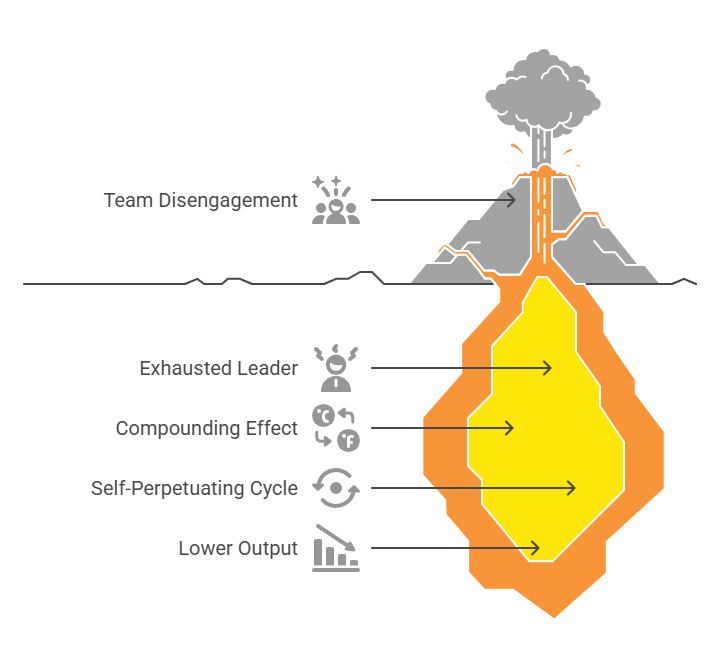
Where did my drive go?
No, we’re not talking about the thumb drive for your PC. We mean the inner fire that got you started as a business owner in the first place, the motivation to make your mark, the drive to compete successfully on your terms in your market. We all experience crests and troughs. Sometimes the trough lasts longer than it should. Business begins to stagnate, poor quality service sets in, and revenues plateau or decline.
Self-care is crucially important
Like charity that begins at home, care of physical and mental wellbeing begins with you. Your state, good or bad, impacts your team directly. If you don’t look after yourself, your employees will start to feel exhausted by association. Concentration dips, productivity diminishes, and your brand image suffers. Time management is a critical skill, but it doesn’t replace energy management. Strategies to maintain energy levels include:
- Prioritization of the most important tasks, avoiding wasting energy on the non-essential ones
- Delegation of tasks to employees or external service providers, when these tasks are within the capabilities of those individuals or providers, and you can track progress properly
- Exercise, proper eating, and scheduled breaks to maintain physical and mental fitness and recharge periodically
A quick fix for energy management
Consider making a “hard stop” part of your daily schedule. It can be as little as 30 minutes. It is intended as a disconnection from work, whether going for a short walk, talking with family, or reading a chapter of a novel (that has nothing to do with work). This creates vital mental space and interrupts the continuous drain of being “always on.”
FAQs on energy management vs. time management
- I feel guilty about taking breaks, what can I do? Here’s a useful hack. Think of yourself as a battery that needs recharging once in a while. Drained batteries can’t help anyone.
- Cash flow worries won’t go away while I’m recharging, how do I handle them? While there’s no magical solution and finances are often a major concern, the first step is to focus on what you can control. A software application to improve tracking, offering customers products and services they haven’t yet tried (a CRM system can help identify opportunities), and building financial reserves, even modestly, are all possibilities.
- Nobody else can do my job, how on earth can I delegate? Start small. Have a suitable team member manage your email. Take a moment to give some on the job training for other minor tasks and build up from there. Also, consider automation where appropriate.
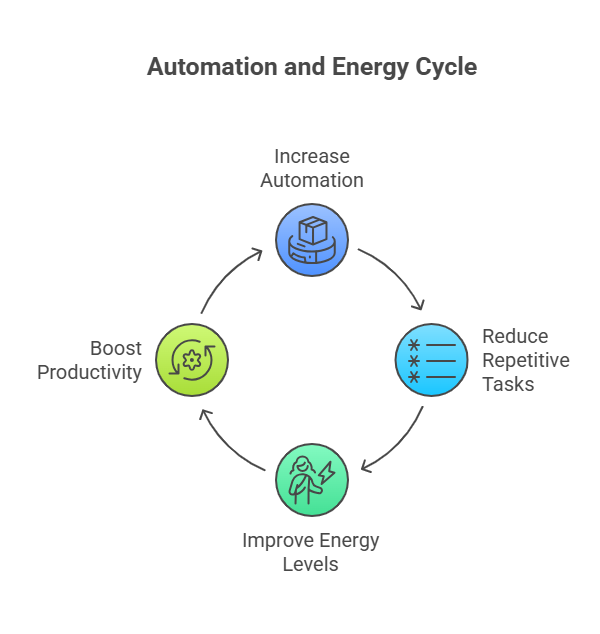
Next steps for energy management vs. time management
Distinguish between energy management vs. time management to be sure you are meeting the right needs. A key difference is that whereas time management seeks to optimize how you spend time at work, energy management makes sure that you spend some of your time away from work, so that you can recharge regularly.